



When you’re choosing an engagement ring, it’s easy to start with carat weight or a favorite silhouette. But the way a diamond handles light can have an even bigger effect on what you notice when you look at it. That’s why understanding diamond cut is such a useful part of the buying process.
What does diamond cut mean?
Diamond cut describes how a diamond has been shaped and proportioned, including the arrangement of its facets, to interact with light. A well-executed cut can affect brilliance (the white light returned to your eye), fire (flashes of color), scintillation (the pattern of light and dark as the stone moves), and the diamond’s overall visual appearance. A large diamond with less effective proportions may not look as lively as a smaller one with a stronger cut.
Cut versus shape: what’s the difference?
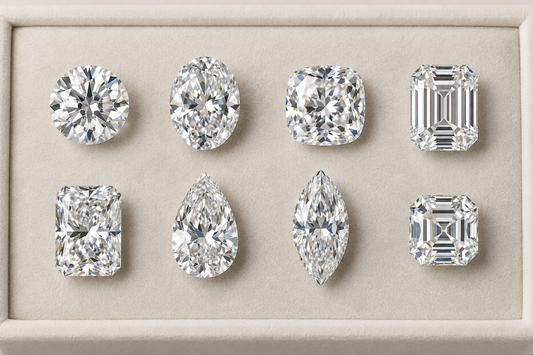
These terms are often used interchangeably, but they answer different questions. Shape is the diamond’s outline when viewed from above: round, oval, cushion, radiant, and so on. Cut concerns the stone’s facet design and proportions and how successfully they work with light. You can prefer the look of one shape while still comparing how well individual diamonds of that shape are cut.
Is round brilliant the best cut for an engagement ring?
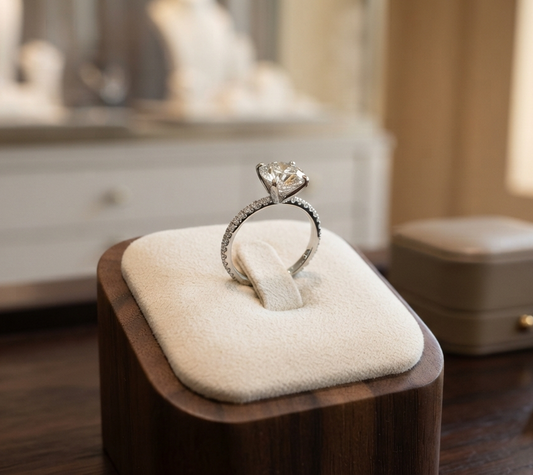
If your priority is a bright, classic sparkle, a round brilliant diamond is an excellent place to start. Its facet arrangement is especially associated with strong brilliance, and round diamonds are commonly evaluated with an overall cut grade. But “best” also depends on the appearance you love and how the stone looks in person or in clear, reliable imagery.
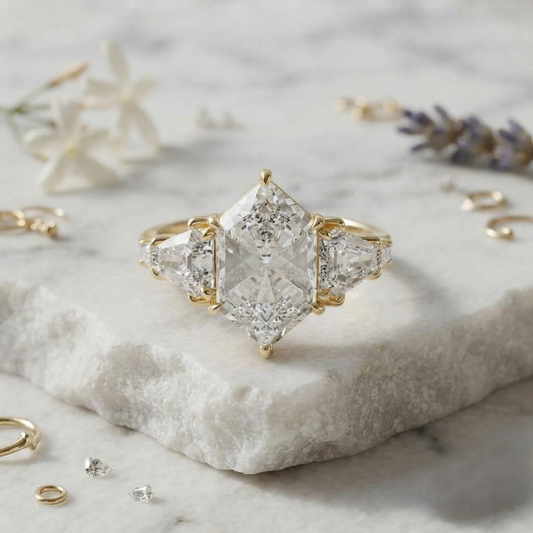
Fancy shapes offer different visual effects. An oval can give an elongated look; compare stones for an appealing outline and how noticeable any dark bow-tie area appears. A cushion offers softer corners and a range of facet patterns, from broad flashes to a more intricate sparkle. A radiant combines a rectangular or square outline with a lively faceted appearance. None is automatically the right answer for every ring.
How to compare diamonds with confidence
Start with the shape and overall look you prefer, then review the full specifications rather than selecting on carat weight alone. Consider the available cut information, measurements and proportions, color, clarity, and how the stone appears in images or video. For fancy shapes, where a single overall cut grade might not be provided, pay particular attention to the outline, symmetry, light and dark patterns, and how the diamond looks to you.
Explore our Lab Grown Diamond Rings for ring inspiration, browse Certified Lab Grown Diamonds to compare specifications, or look through Lab Grown Loose Diamonds if you’re choosing a stone first. You can also visit our Engagement Ring Collection to see more styles.
The bottom line
The best diamond cut for an engagement ring is one that gives you the visual performance you want in a shape you love. Understanding cut helps you compare diamonds by how they interact with light, not just by their size or outline, so you can make a more informed choice.
Tags:
Previous
Diamond Shapes Explained: Round, Oval, Cushion, Emerald, Radiant & More
Next
14K vs 18K Gold: Which Is Right for Your Jewelry?
Related articles
-
Sep 30 2026