

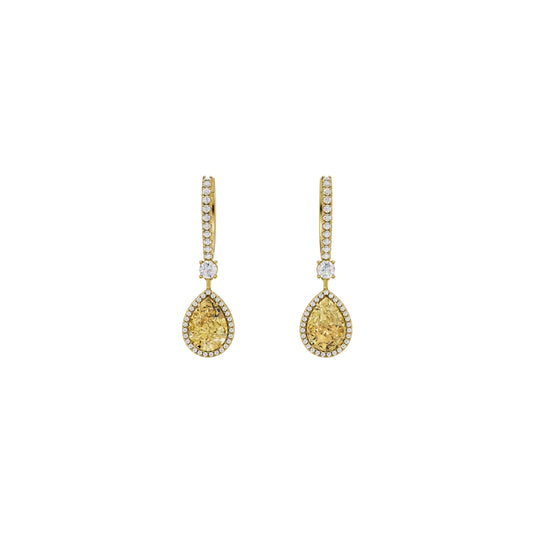


An engagement ring is more than a beautiful piece of jewelry. It is something your partner may wear every day, so the best choice balances personal style, quality, comfort, and budget. This guide walks you through the decisions that matter most, without assuming that bigger always means better.
1. Start with your partner’s style
Notice the jewelry they already wear. Do they prefer simple pieces or statement designs? White metals or warm yellow gold? Modern lines or vintage details? If you are unsure, ask someone close to them or browse rings together. A surprise proposal does not have to mean guessing every detail.
2. Set a budget that works for you
There is no universal amount you need to spend. Decide on a comfortable total that includes the center stone, setting, taxes, resizing, and any insurance you choose. Comparing rings at a fixed budget makes trade-offs easier: you might prefer a smaller diamond with exceptional sparkle, or a simpler setting that leaves more room for the stone.
3. Understand the diamond’s 4Cs
Cut describes how well a diamond’s proportions and craftsmanship bring out its sparkle. For round brilliant diamonds, a strong cut grade is often a smart priority. Color grades how colorless a diamond appears; near-colorless grades can offer a good balance of appearance and value. Clarity describes natural internal and surface features. Many diamonds look clean to the naked eye without needing the highest clarity grade. Carat measures weight, not face-up size, so compare actual dimensions as well as carat weight.
Grades alone do not tell the whole story. Look at clear photos or videos, compare stones in the lighting where they will be worn, and request a grading report from a reputable independent laboratory when available.
4. Choose a diamond shape
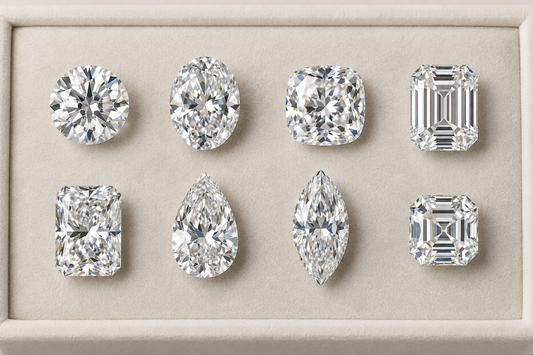
Round diamonds are loved for their classic sparkle, while oval and pear shapes can create a lengthening look on the finger. Emerald and Asscher cuts have a clean, geometric appearance, and cushion, princess, and radiant cuts offer distinct takes on brilliance. Shape is largely a matter of taste, so let your partner’s style lead. For inspiration, compare an Asscher-cut solitaire ring with an emerald-cut solitaire ring.
5. Decide on natural or lab-grown
Natural and lab-grown diamonds have the same crystal structure, but different origins and pricing. Ask for clear disclosure of which you are buying, compare grading information, and choose the option that fits your values and budget. If you are considering another gemstone entirely, check how it holds up to everyday wear.
6. Pick a setting and metal for real life
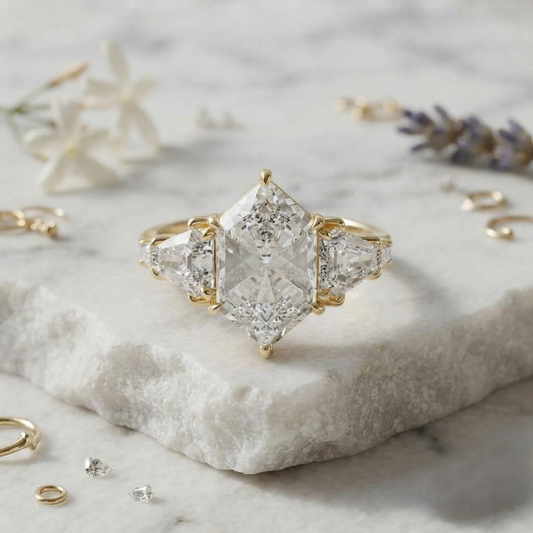
A solitaire keeps the focus on the center diamond. Halo settings add visual presence, while three-stone and side-stone styles offer extra detail. For a more decorative look, see this oval-cut hidden-halo ring. Consider how high the ring sits, whether it catches on clothing, and how secure the stone feels. Prongs show more of the diamond; bezel settings wrap metal around its edge for a sleeker, more protected look.
Yellow gold feels warm and classic, white gold has a bright finish and may need occasional replating, rose gold offers a softer tone, and platinum is a durable, naturally white option. Metal choice can also affect maintenance, price, and sensitivity, so ask about the exact alloy if allergies are a concern.
7. Check fit, comfort, and future pairing
Get the ring size as accurately as you can, especially for designs with stones around the band, which can be harder to resize. Think about band width, comfort against neighboring fingers, and whether a wedding band will sit flush beside it. When in doubt, ask about resizing options before you buy.
8. Review the details before checkout
Confirm the diamond’s grading report and identifying details, the metal type, total price, expected delivery date, and what is included with the ring. Read the return, resizing, warranty, and care policies before placing an order. For a significant purchase, consider an independent appraisal or insurance after delivery.
The best ring is the one that feels like them
A great engagement ring is not a checklist of maximum grades. It is a thoughtful combination of a diamond your partner will love, a setting that suits their day-to-day life, and a price that feels right for you. Take your time, compare your options, and choose with confidence.
Tags:
Previous
Lab Grown Diamonds vs Natural Diamonds: Complete Buying Guide
Next
Diamond Shapes Explained: Round, Oval, Cushion, Emerald, Radiant & More
Related articles
-
Sep 30 2026
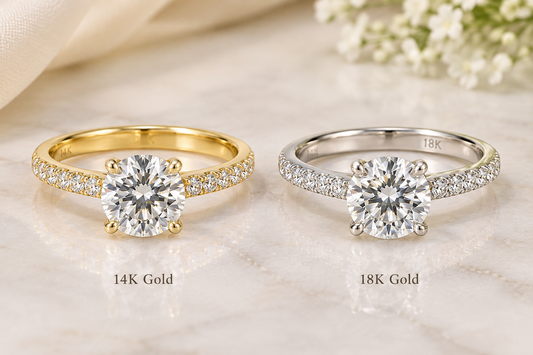
14K vs 18K Gold: Which Is Right for Your Jewelry?
-
Sep 30 2026